
Entering twice: braiding official and relational labour in community-based design
1 First handshake
I spotted the man I believed to be Kai (pseudonym) sitting close to an exit at the airport. He shook my hand with the same warmth he had shown in our previous video meetings. We walked to the rented car and began the one-and-a-half-hour drive to our destination. Once we were on the road, Kai, a representative of the charity overseeing the co-design project we were about to start, began to brief me in more detail.
“The funding organization is hoping to see a clear representation of child-friendliness from this project,” he said, referring to the vacant schoolhouse that would be turned into a new children’s home.
“And they also want to see the process of local residents getting involved, so you should remember to document it carefully, with short videos, stories, and things like that.”
As he spoke, I quietly checked his emphasis against the list of expectations I had already noted in a shared document with my team: child-friendliness, resident participation, visible process, documentable outcomes.
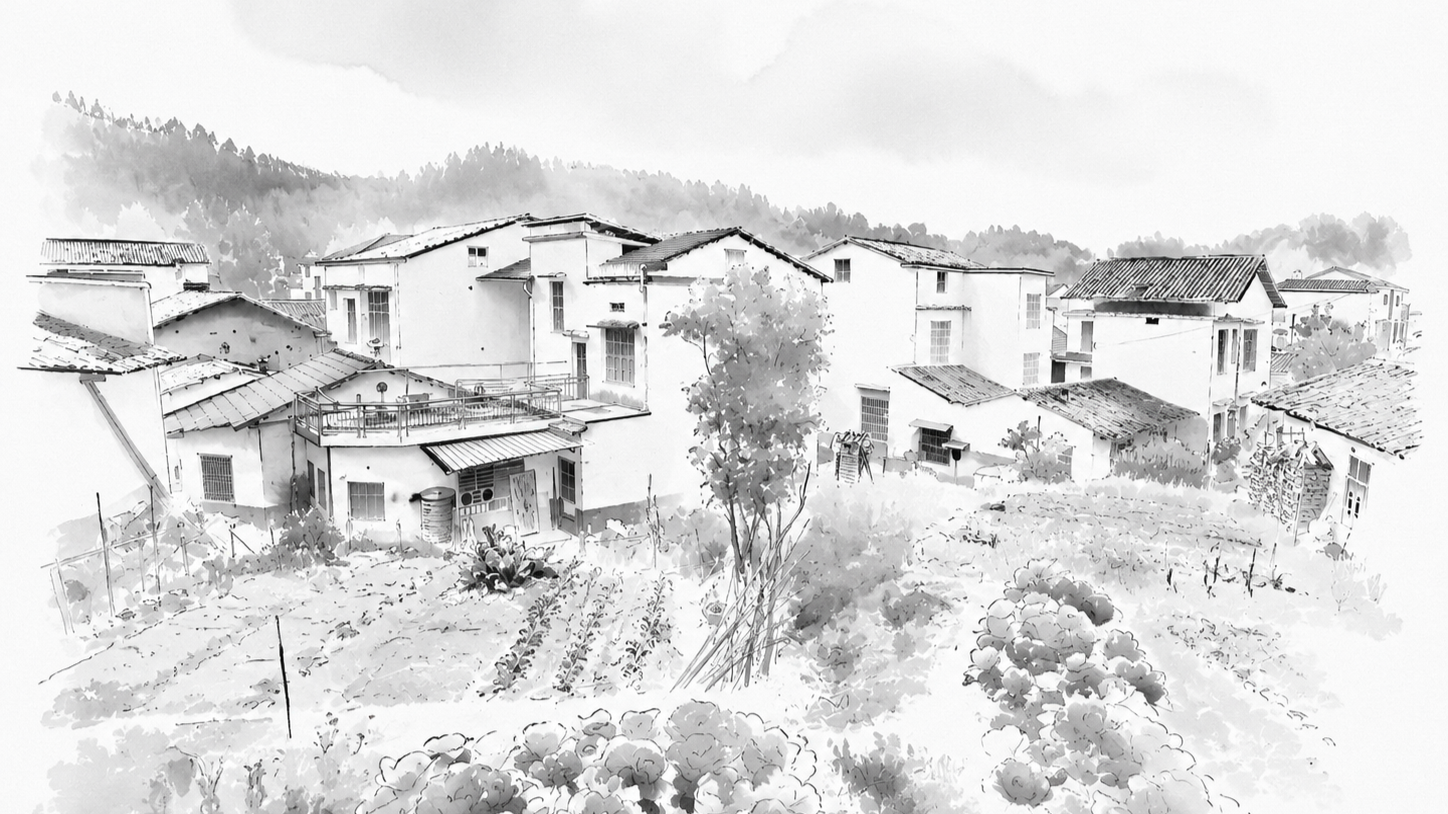
Outside the car window, the modern high-rises gradually gave way to early spring rice fields and white village houses with dark rooftops.
“The day after tomorrow, we are having lunch with an official from the local Bureau of Agriculture and Rural Affairs,” Kai continued. “We want to see whether the village can secure some funds to rebuild the public toilet next to the building we are going to renovate.”
I began preparing myself for the kind of lunch this might be: careful seating, careful listening, careful words. At the same time, I registered a small but important uncertainty. The toilet seemed necessary for the future children’s home, but it had not been named as part of my contract. Should I step forward and help shape the conversation, or stay back and observe how things played out? I made a mental note of this boundary.
“But if this is not settled tomorrow, the village will have to think of other ways.”
I nodded, not quite in agreement but in recognition of the problem, and opened the shared document on my phone to add another note.
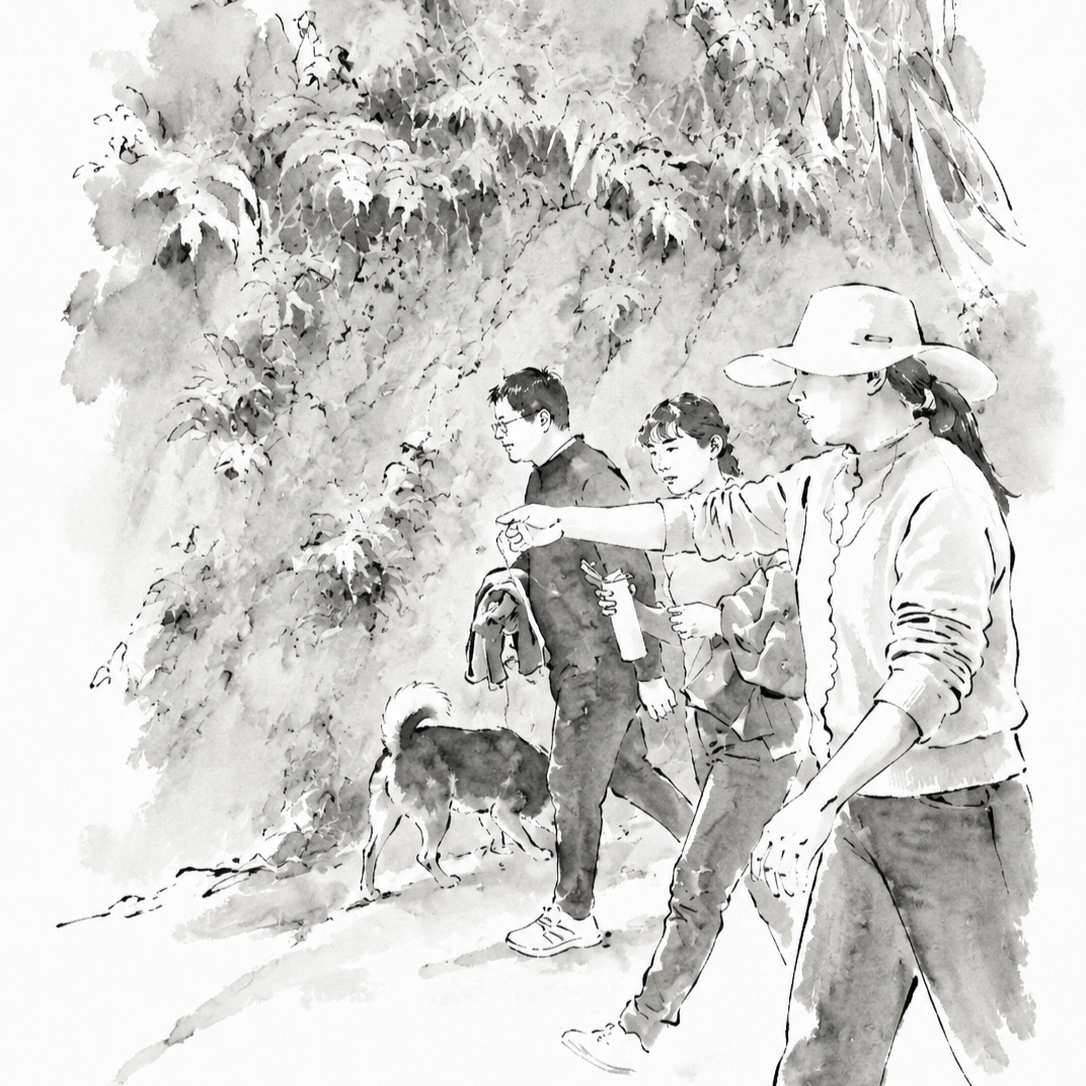
Following the GPS along the winding road between hills and green fields, we eventually stopped in front of a large family house. A woman in her early fifties was waiting outside. She had youthful skin and grey hair, a contrast that made her seem both energetic and seasoned. I stepped out of the car into crisp spring air, still slightly disoriented from the ride and the information I had been trying to hold together.
Kai introduced her as Secretary W, the village secretary. Then he introduced me to her as the designer commissioned to support the children’s home project. “She was the one I sent you the credentials for last week,” he added.
She reached out her hand and shook mine warmly.
“Welcome to Daozhu Village, Teacher Tan!”
This is how I have arrived in many community-based design projects: through the institutions that make the work possible. A funder introduces us, a project title gives us purpose, credentials make us trustworthy, and an official host receives us. The first encounter can feel almost too easy, as if legitimacy has simply been granted. But what feels like personal welcome is also the outcome of prior decisions made elsewhere. By the time we shake hands, a role has already been prepared for us.
——
2 In-between sunny days
Week One. WeChat.
TH, Kai’s colleague at the charity, messaged me about a three-way basic renovation contract they were almost ready to sign with the village secretariat and a local contractor named Bing (pseudonym).
At this stage, the project was still only a fix-up of the vacant school building: roof leakage, broken glass, and old electrical wiring.
“I think it’d be best if you walk through the final details with Bing and Secretary W on site, just to make sure we get everything right.”
She attached a list of tasks Bing had sent her.
Later that day. Bing’s living room.
After the walk-through, I sat in Bing’s living room and went through the list item by item, making sure we had not missed any small details.
I reminded him more than once to double-check the numbers before sending me a draft contract with full terms.
“And don’t forget the tax,” I said for the last time.
A few moments later, the updated list and draft contract arrived on WeChat.
I forwarded everything to TH as an integrated Word document.
TH passed it to the legal department.
The next day. WeChat again.
TH forwarded a legal suggestion: add a warranty clause, specifying a period during which the contractor would be responsible for repairing defects.
After a few exchanges with Le, I suggested to TH that a one to two-year warranty period seemed reasonable.
The next day. Sun in the forecast.
Bing messaged me privately.
The next few days, he said, would be rare sunny days. Good weather for fixing roof leakages.
By the end of the day, TH sent me the revised contract from legal.
The warranty period had become five years.
Private message from Le: “Nothing can be guaranteed for five years.”
His discontent was mild, but clear.
I encouraged him to raise the concern directly in the shared WeChat group with TH. I told him I would back him up.
He did.
I did.
TH accepted his concern.
The clause was changed.
Then: printing, mailing, signing.The contract moved into its official pipeline.
Outside, the rain started again.
A few days later. WeChat.
TH messaged me again. Bing had received the printed contracts but raised another issue about the warranty period, this time concerning the old wall paint. Since she did not know the details on the ground, she asked whether I could speak to him directly.
Old school building.
Bing pointed at the wall.
“In this contract, you are only asking me to remove the bad paint, not put new paint on. I can’t guarantee the new paint.”
I reassured him that the new paint would be covered under the next contract.
He nodded, almost immediately satisfied.
“Okay. I just wanted to hear those words from you.”
Relieved to dodge another round of contract edits, I messaged TH:
“We’ve reached a verbal agreement on the details. The contract doesn’t need to be changed.”
And then we continued waiting: for the sun to return, and for the contract signing process to end.
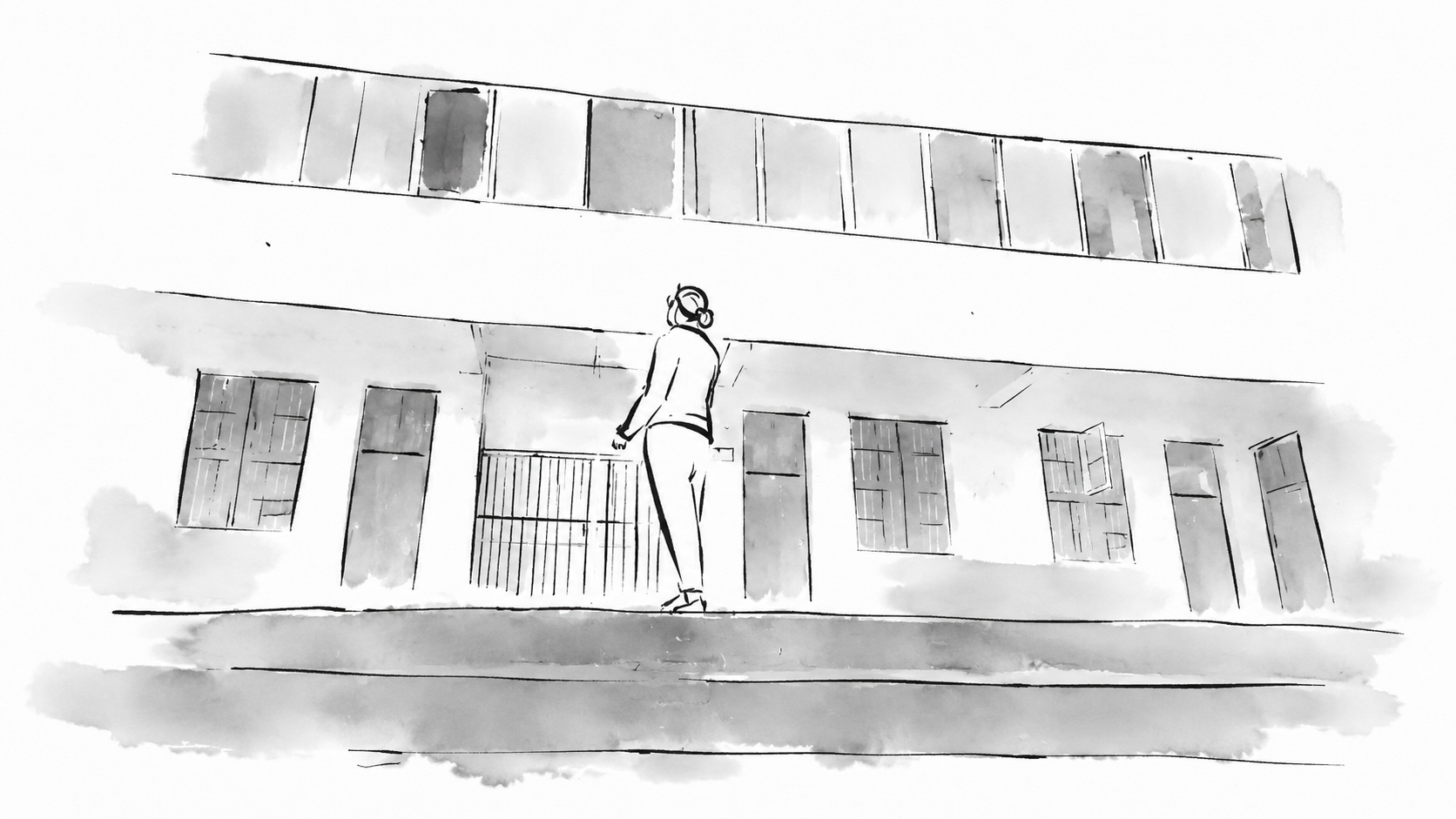
Although I was not a party to this three-way renovation contract, my contract with the funder had made mediation part of my formal role.
A younger version of myself would have been annoyed by the absurd amount of communication work attached to each minor task. But now I found myself showing up actively and patiently for the details: the tax, the warranty clause, the peeling wall paint, the timing of rain and sun. I had come to appreciate being situated in this in-between position, as Bing’s temporary office assistant and TH’s woman on the scene. The work of translating between institutional accountability and local practicality kept small uncertainties from turning into suspicion or delay.
By then, I had spent two weeks becoming a familiar face around the village secretariat, the vacant school building, and Bing’s house, while keeping the funder in the loop online. If this had been only a renovation project, perhaps this path would have been sufficient. But this was a co-design project, and I was still no one to the children in the village. In fact, I had not encountered a single child or teenager. Since the village school had been merged into larger schools in town, the children were no longer simply around.
——
3 Lift, plunge, drag and repeat
The wooden handle of the hoe felt smooth in my hands, polished by a long history of human touch. Everyone in the group had been given a red vest, with blue characters indicating that we were volunteers. I decided to observe others for a bit as Secretary W explained our goal for the morning: to clear the pebbles and mud that had been clogging a section of a concrete irrigation channel.
“They were washed in here by that big flood last year,” she explained.
The group began to work: a couple of men, Bing among them, two middle school boys, a middle school girl, and me. Someone had placed a bamboo basket, about the size of a big pot, into the channel where the clogged section ended. It fit perfectly. Everyone else, with hoes in hand, found a section of the blockage and started to drag the mud and pebbles toward the basket. When the basket was full, someone picked it up and carried its contents to an area beside the channel, away from the nearby rice field. Basket by basket, our goal was to remove mud and pebbles from a clog about five meters long.
Having understood the workflow, I too found a section upstream to work on. I stood on one side of the channel and plunged my hoe into it with force, trying to catch a few of the big visible pebbles, then pulled them towards me. They moved, about twenty centimeters. I plunged my hoe in again at about the same spot. Muddy water splashed this time, and I felt resistance from the mud below. I pulled towards myself again, feeling my shoulder muscles getting warm.
“Keep your back straight to protect your back muscles,” I secretly reminded myself of a gym rule.
With some more repetition, I stood up straight, breathing briskly, to observe my progress. It was not very obvious. To balance the soreness creeping up one side of my back, I stepped to the other side of the channel.
As I got used to the hoe as an extension of my body, lifting, plunging forcefully and somewhat precisely, pulling not just with my forearm but engaging my core, boredom became impossible to ignore.
“So, do you go to middle school or high school?” I heard myself making conversation with the teens between heavy breaths.
Conversations began, and I discovered that one boy was a nephew of Secretary W, and the girl lived in the house next door to the village women’s cooperative.
As the fatigue and soreness in my hands, shoulders, and sides gathered into one giant ache, I stood up straight again to catch my breath. And I was relieved to see that Bing was working at least three times as efficiently as I was with every stroke. I watched the bamboo basket each time it became full and convinced myself that its weight looked manageable. Without words, I gestured that I would now switch jobs.
I stood with each foot on one side of the concrete channel, with the basket below me, bent my knees, and felt the metal wire of the basket cutting into my right hand.
“It’s just like a deadlift,” I told myself.
I picked up the basket and felt the weight land in my feet. Muddy water dripped from it as I tried to keep my balance while forcing one foot to join the other on one side of the channel.
“Don’t dump it on that side. It’s someone’s rice field,” Bing called out, with the easy authority of an older brother looking after a younger one.
I wobbled quickly to the other side, feeling only about five more seconds of strength left. I tilted the basket downwards by a handle on its rear end and dumped its contents onto the ground.
“Careful! You are going to get your shoes dirty!” Bing’s voice again, trying not to laugh.
It was too late.
After a few more rounds in my new job, the sun was fully up. I felt thirsty, and my forehead was itchy under the straw hat. The middle school girl, named L, proudly showed us a freshly burst blister on her hand. Secretary W, who had been busy working on another clog with a second group of volunteers at the end of the field, came over to check on us and, seeing a steady flow of water now streaming down the channel, looked animated.
“It’s a rare opportunity for you guys to do this kind of labour nowadays, isn't it!” she said to the students.
What was this kind of labour? I looked to the left of the previously clogged section, where the channel ran along one rice paddy and then another into the distance. To the right, it joined another channel in a T shape, becoming part of a wider network that cut across large patches of green. The part we had just cleared, which had felt so tedious and strenuous in my body, was almost invisible in the larger picture.
This kind of labour, I thought, depended on ancient technologies that had never really left: hoes, baskets, hands, backs, repeated movements under the sun. I found myself wondering why some work had remained so bodily, so strenuous, and perhaps because of that, so easily treated as worth less. Perhaps Secretary W had mentioned this kind of labour to the students because these teenagers had been told, all their lives, to study their way out of a fate that depended on it. Now it returned to them, as it had to me, as a “rare experience.” I ran my hands along the hoe handle, feeling its smoothness again, as if I were shaking hands with all the hands that had held it before mine.
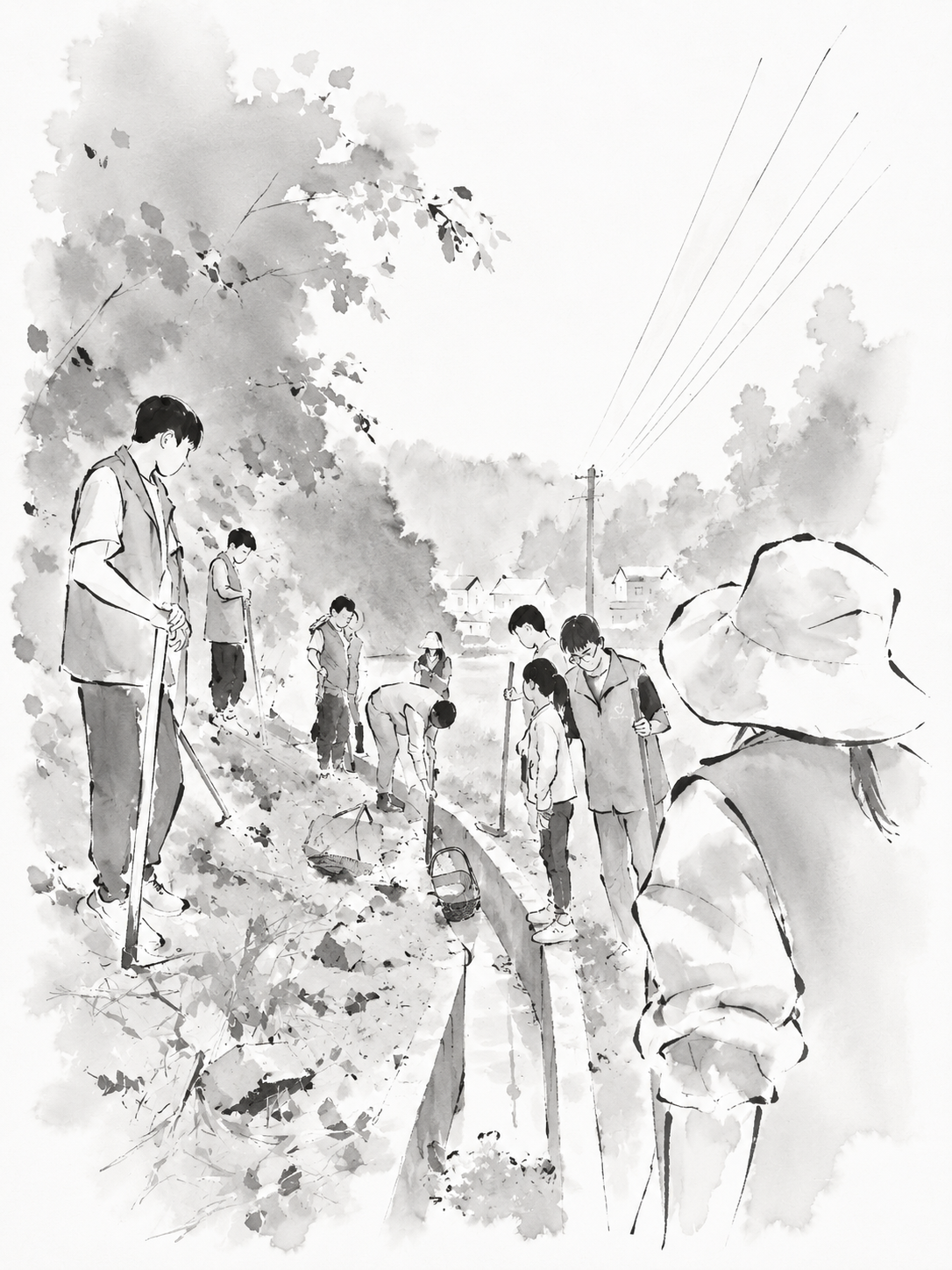
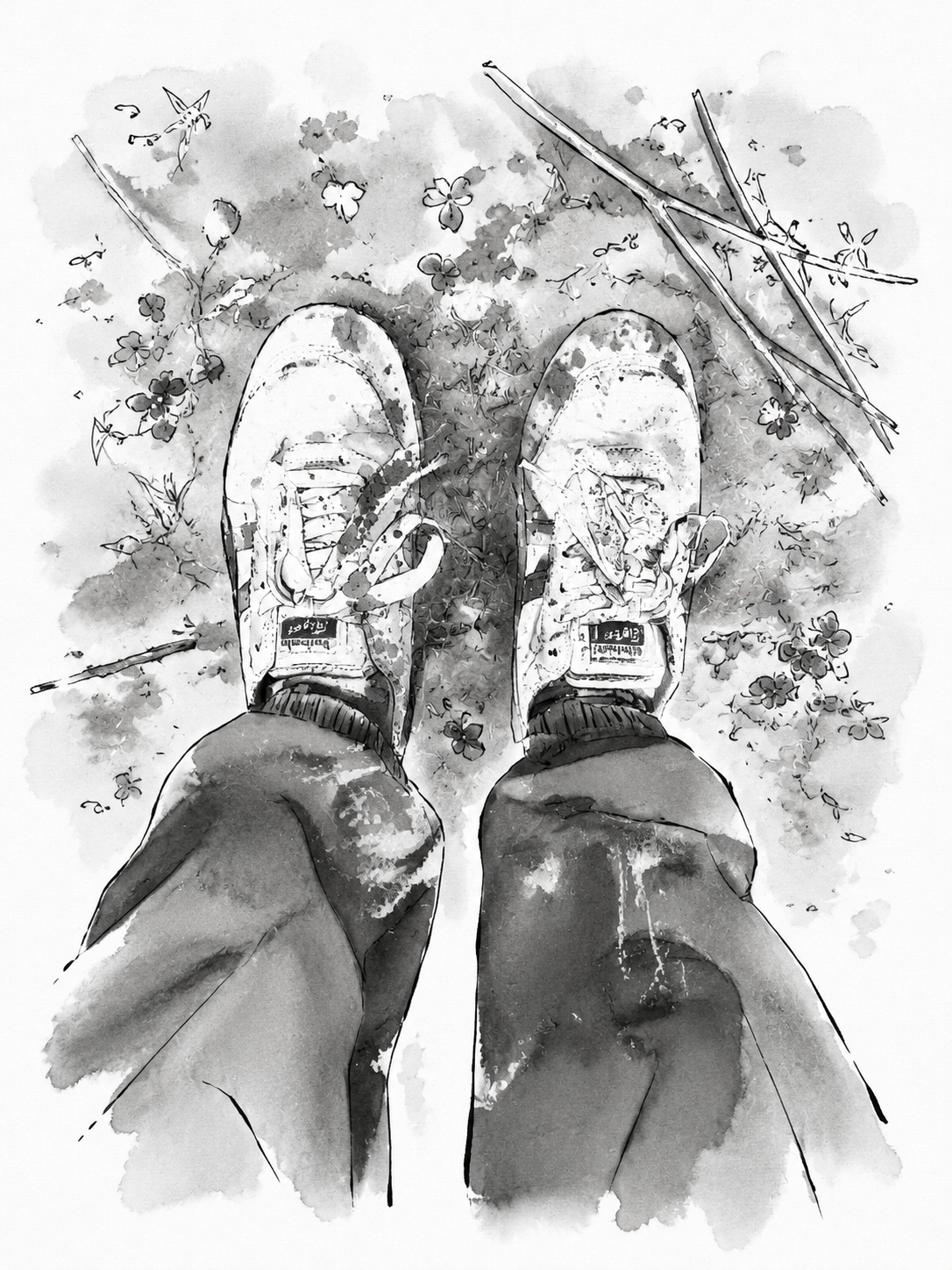
This was not an official part of my commissioned work here. It was a May 4th Youth Day volunteer event organized by Secretary W to get a group of local young people out for some public service. I was already back home, taking a break from fieldwork, when she forwarded an invitation to me. A group of students would be joining the activity, she said. Would I like to come? Since I thought this might finally end my streak of not meeting any children, I took the train back.
Looking back, I am glad I cut my holiday short, but not only for the reasons I had imagined at the time: becoming a familiar face to a few teenagers, or showing up in solidarity at a local event. What stayed with me was the repetitive, strenuous, and seemingly insignificant work I put my body through — and how it revealed the unromantic side of being drawn into village life.
——
4 The under-qualified videographer
Observing the last bit of the clog being removed, the group was preparing to put away the tools for the trip back. I suddenly remembered that I had another assigned role: videographer of the day.
I ran to get the drone, hoping to still catch the last scene of everyone working.
“We are nearly done and you are just starting to fly the drone?” I heard Secretary W’s voice.
“The battery was dead, and I was waiting for my power bank to charge it,” I explained, hinting that I had been given a powerless drone, but also feeling guilty that I had not checked right away.
I had already felt insufficient when I was assigned this role earlier that morning. Secretary W had more followers on Douyin, the Chinese version of TikTok, than I had on all my social media platforms combined. I did not even use Douyin.
“She’s going to help us make the best videos,” she assured the others, not noticing my awkward smile.
I pulled the drone up high to get a shot that placed us in context. On my screen, we were scattered along the road beside the irrigation channel, while green patches extended behind us toward the rolling hills in the distance. I seemed to have gotten a good fifteen seconds. But then I remembered that Secretary W had stressed the videos needed to be in portrait, not landscape.
Minding the last bit of battery power, I quickly lowered the drone, switched to portrait mode, and began filming again by pulling up. The small drone was so high that I could no longer hear it. Just move up and back a bit more, I thought, and it would be a wrap.
I was focused on the screen when, all of a sudden, green leaves appeared. Then chaos. Then a black screen.
I gasped and glanced at Secretary W. We looked up behind us and saw the drone dropping from the top of a tree to the bottom, before landing on a shallow riverbed.
While I began imagining ways to fish it out with a stick, Secretary W had already judged the situation. She called out to one of the men in rain boots and asked him to walk down and retrieve it. A moment later, the drone was handed back to me.
On the ride back, I shared the video of the mild collision with everyone. I was relieved that we were equally amused.
At the same time, I found myself worrying about what it meant to be a helpful newcomer. What if they wanted me to edit the videos? If I helped once, would I be stuck with that responsibility? The other day, someone in the women’s co-op had already asked whether I could help design packaging. I was beginning to wonder where availability ended and obligation began, and whether drawing that line would hurt the relationships I was only just learning to enter.
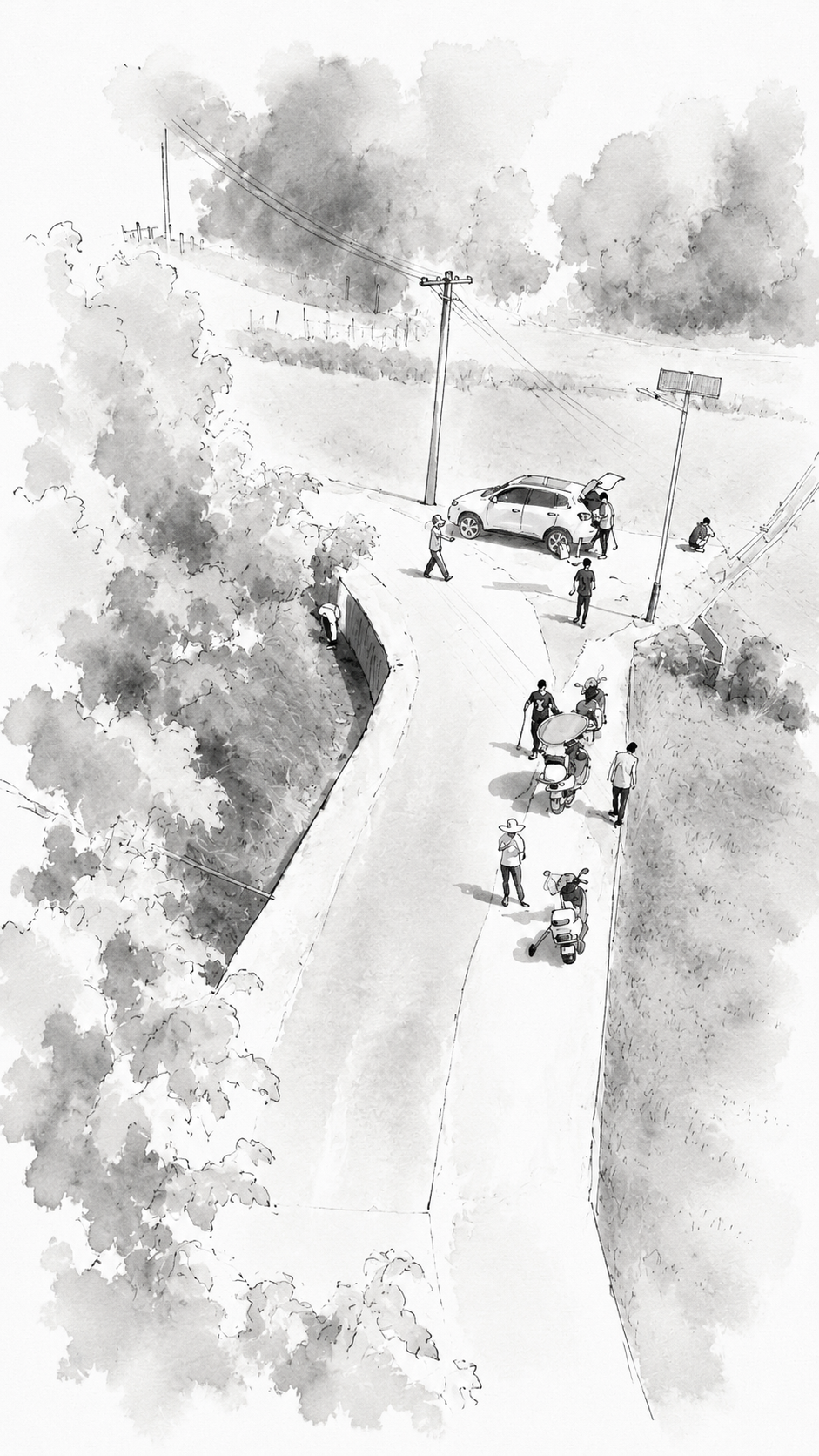
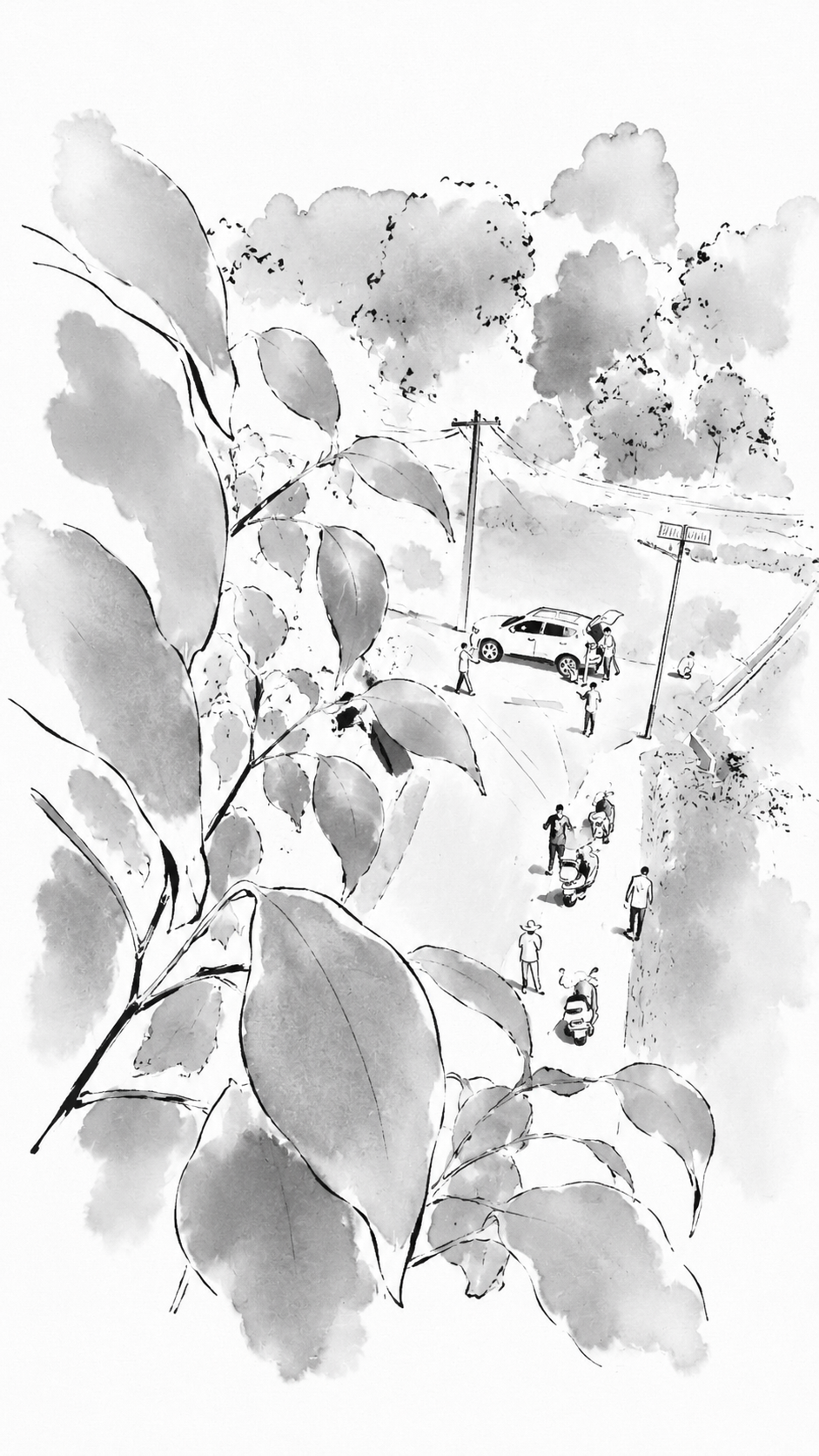
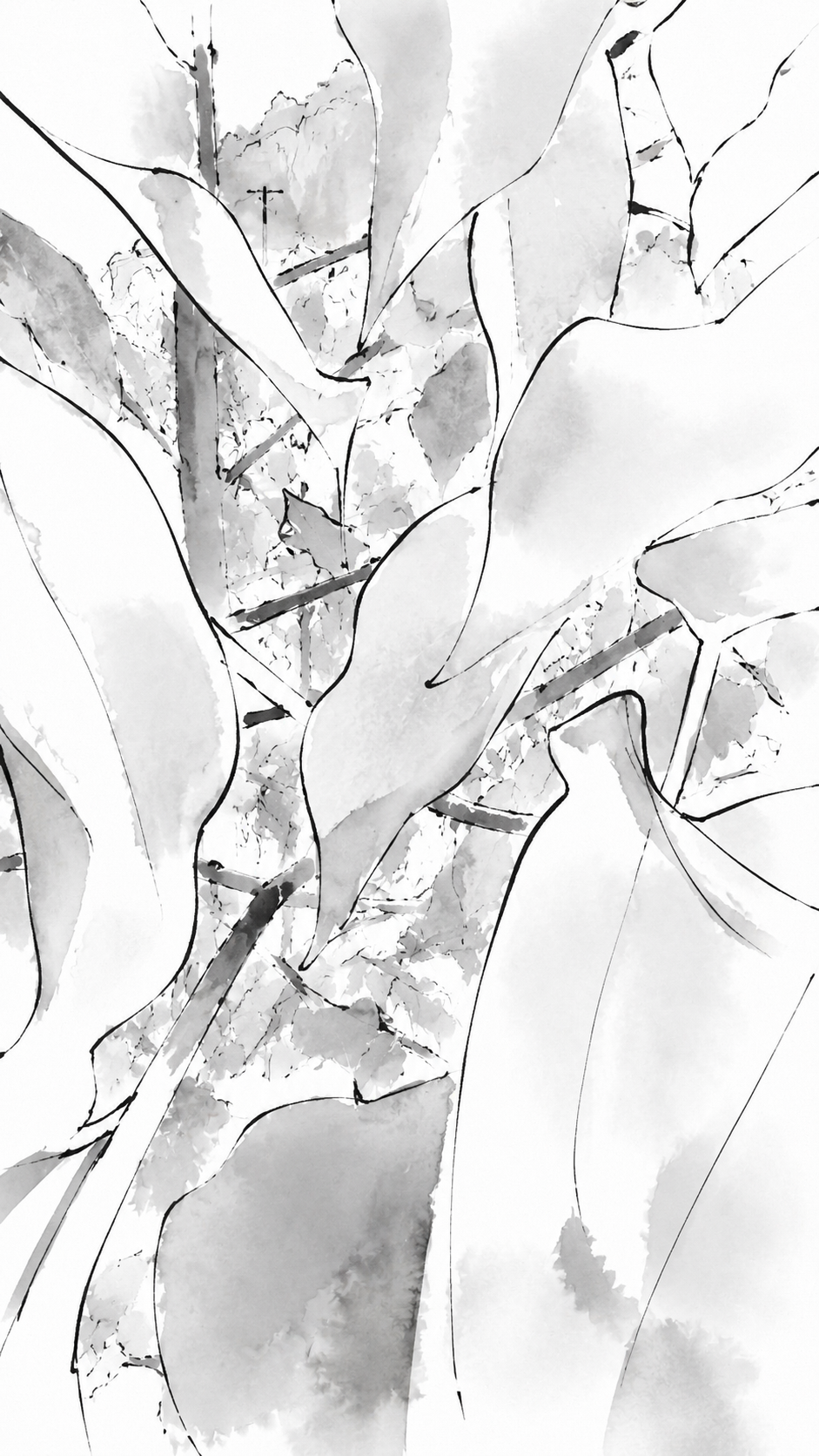

As professional designers, we were taught early on to delineate the boundaries of our obligations in each commissioned project. These boundaries should be negotiated and stated clearly in the contract. The outdoor toilet mentioned earlier, for example, was outside the scope of my current contract, and everyone was clear about that.
Yet recent design discourse calls on designers to become more situated, relational, and attentive. My own practice is deeply committed to this orientation. Yet becoming a more “sociable” designer is not simply about being nicer, more present, or more willing to help. It also means becoming available to needs that emerge beyond the formal frame of the project, where obligations can blur and responsibilities quietly expand.
There is, of course, a limit to how much any one person can take on. But that limit is not always visible to others, nor can it be fully settled by contract. It has to be sensed and negotiated from within the relationship itself. The call to be relational therefore needs a more honest account of the pressure, cost, and boundary work it places on designers themselves.
——
5 The traveling co-design session
We returned to the public space of the women’s co-op to wait for group lunch. It was a spacious, well-lit stone-and-wood complex, repurposed from an old general’s residence. Some aunties from the co-op were busy moving in and out of the kitchen. A few other families with younger children had also joined us.
I was still feeling the lightness that follows physical work. As we sat down at a large rectangular table covered in purple velvet, Secretary W looked at me and gave me a quick wink. It was time for the next part of the plan.
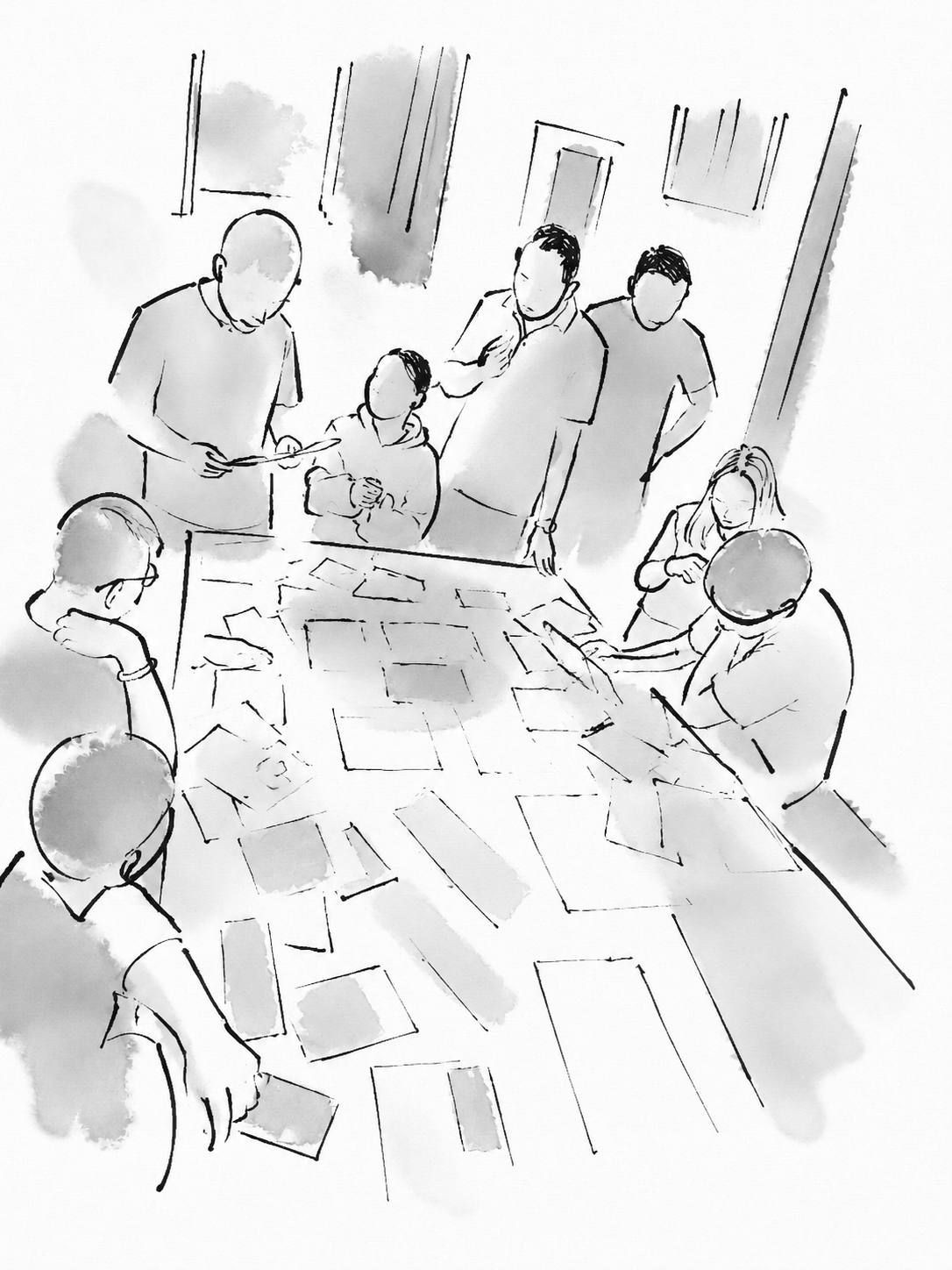
I gathered everyone closer, handed out some chocolates, and said that I needed their help with something. Then I took out a large printed fabric sheet, on which I had placed a simple 3D sketch of a two-story building. Alongside it, I spread out a deck of laminated images I had prepared earlier: staircases, gardens, libraries, furniture, lighting, window seats, small corners for reading, and other possible references.
I then broke the news that we were hoping to redesign and renovate the old school building, and that we wanted to hear everyone’s ideas.
I asked each person to pick three images they liked and tell us what they saw in them. What kind of space did the image suggest? What feeling did it give them? Where might something like this fit into the schoolhouse?
After everyone had shared, I asked them to place their selected images onto the printed sheet, around the sketch of the building. Slowly, the flat drawing became surrounded by fragments of possibility: a decorated staircase, crafting tables, a reading corner beside a window, and soft lighting in the garden. It was briefer than any workshop I had ever run, but everyone stayed with it. I took a photo before anything was moved.
Just then, the aunties from the women’s co-op called us for lunch.
We gathered the images, moved to a round table where freshly cooked dishes were already waiting, and began to eat as the chatter continued.
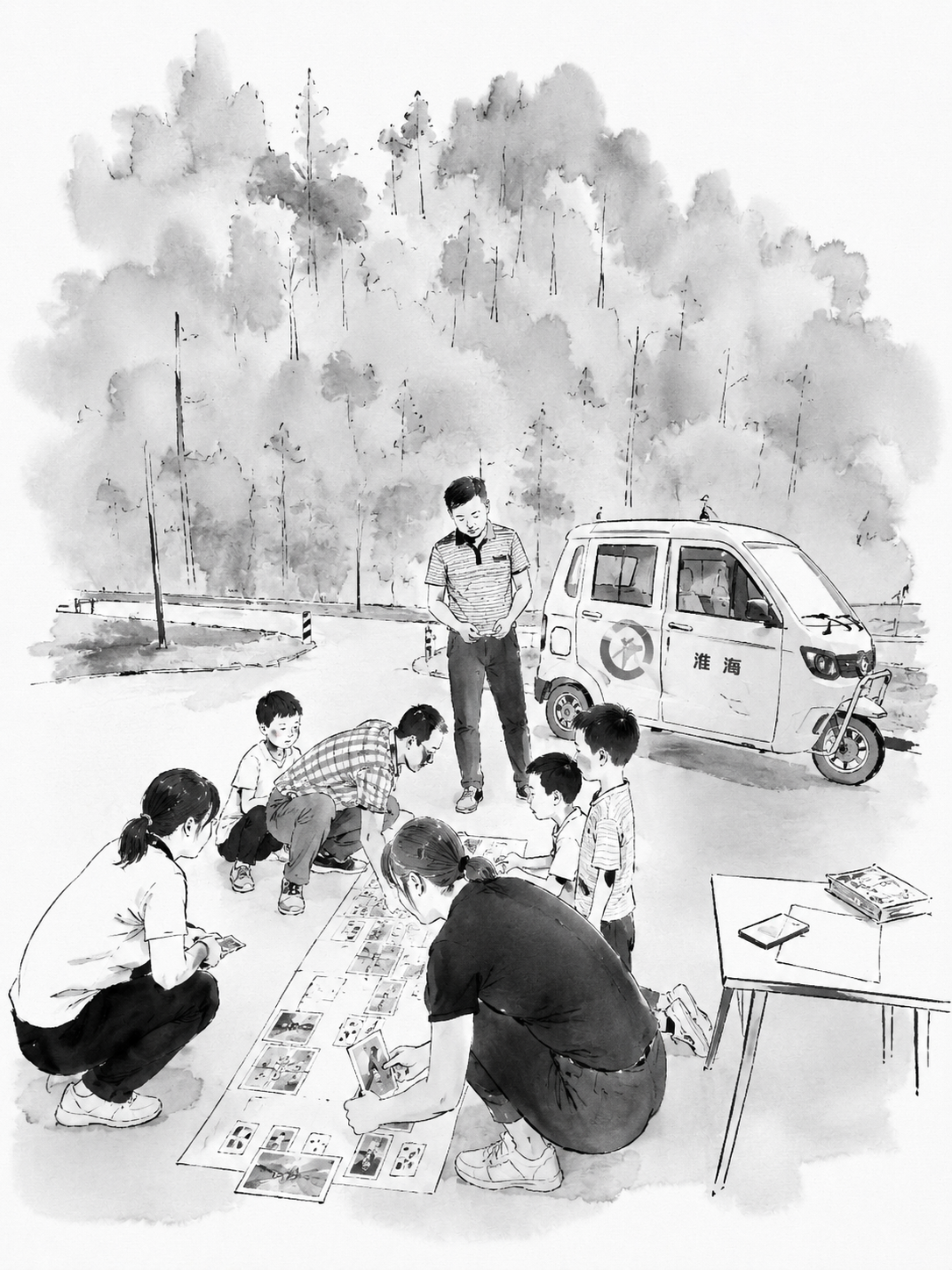
With this series of May Fourth Youth Day events, I felt that I had finally begun to have real co-design interactions with residents of Daozhu Village. Another week went by, during which I kept the printed fabric sheet and the deck of images in my bag as I joined people for dinner or after-dinner tea. I imagined them showing up in many more living rooms, with the TV playing in the background, and in the empty lots in front of houses, with young children running around.
These fifteen-minute co-design sessions, and the simple prompts that supported them, may not appear sophisticated by the standards of a studio or design school. But they were precious to me because they were embedded so naturally in village life. Unlike the structured workshops I was used to running, where so much labour went into recruitment, explanation, and keeping everyone engaged, these small sessions borrowed from the relational labour already gathered through shared work, meals, visits, and chatter. What was saved from orchestrating participation could now be spent on conversation, personal connection, and mutual learning.
——
Official labour and relational labour
As a new face in Daozhu Village, I entered the community twice: first officially, and then relationally.
I entered officially through contracts, meals with officials, introductions, budgets, and approvals. This official entry gave my presence legitimacy within the public project.
To enter relationally was different. In my earlier practice, I often understood being relational through signs of familiarity: being invited to dinners, making small talk, and remembering people’s names. But as relational practice has become normalized in my work, I can no longer romanticize it as simply warmer, softer, or more human than formal design practice. Being relational, too, is labour.
Across these May Fourth Youth Day events, I began to recognize several forms of relational labour. There was bodily labour in shared manual work. There was emotional labour in sensing when to speak, when to stay quiet, and how to receive teasing, hospitality, doubt, or expectation. There was interpretive labour in learning what an invitation meant, what a joke signaled, and what kind of presence was appropriate. There was temporal labour in returning, staying long enough, and resisting the urge to force the project’s rhythm onto local rhythms. There was also moral labour in negotiating what I owed people once relationships began to exceed the contract.
To name being relational as labour is not to diminish its value. Rather, it is to make visible the pressure, cost, and risk that relational design places on the designer. If we call for design to become more situated, attentive, and sociable, we also need a more careful account of what this asks of those who practice it.
At the same time, official and relational labour are not easily separated; they braid into each other. Sometimes one strand is more visible. Sometimes the other carries the weight. The contract may authorize the designer’s presence, but relationships continually remake what that presence means.
Perhaps community-based design work is shaped by this continual movement between institutional authorization and situated recognition. The designer does not enter a site once and for all. She is repeatedly repositioned through different forms of labour, and each repositioning changes what becomes possible to notice, to respond to, and to imagine with others.
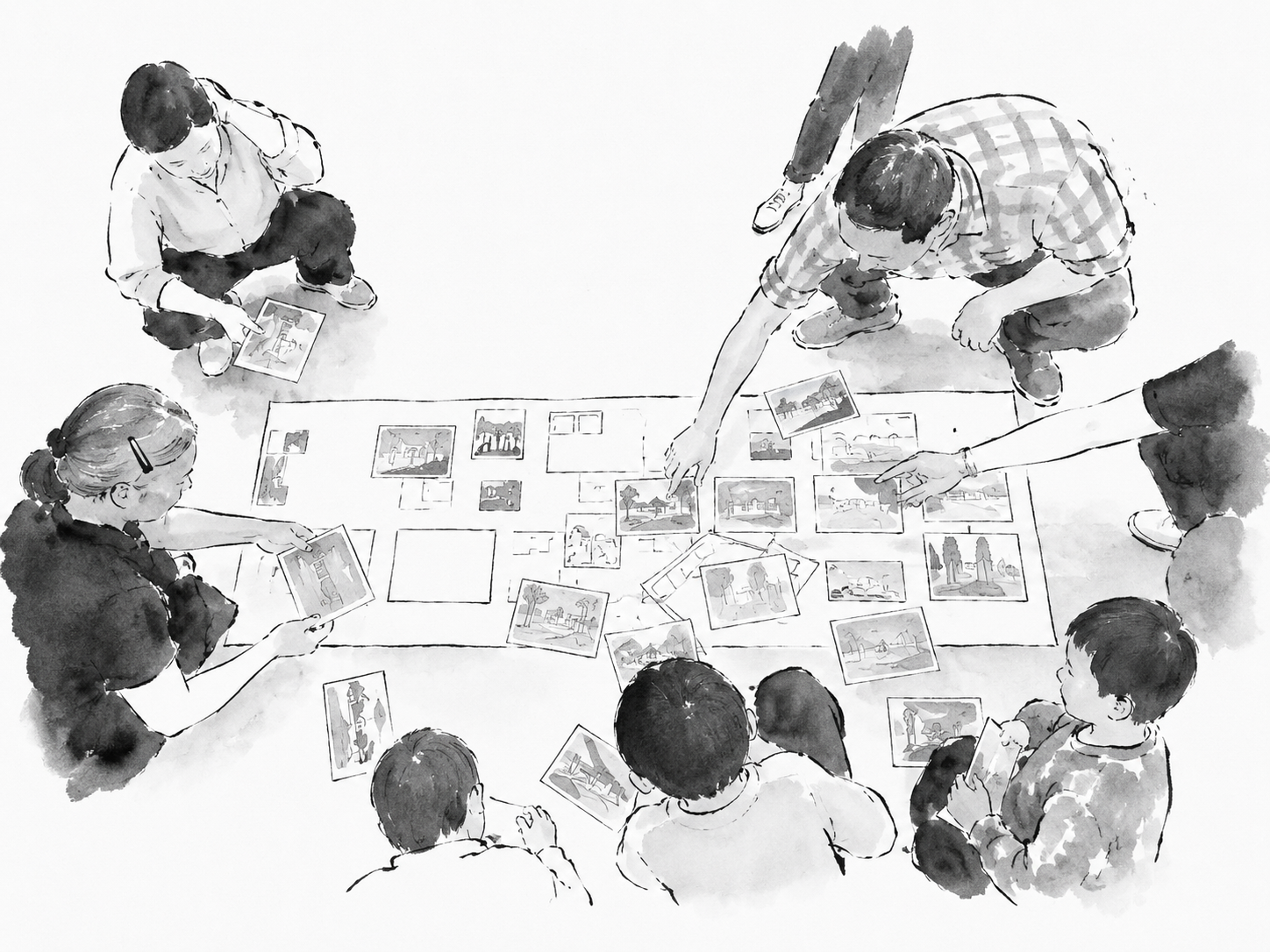
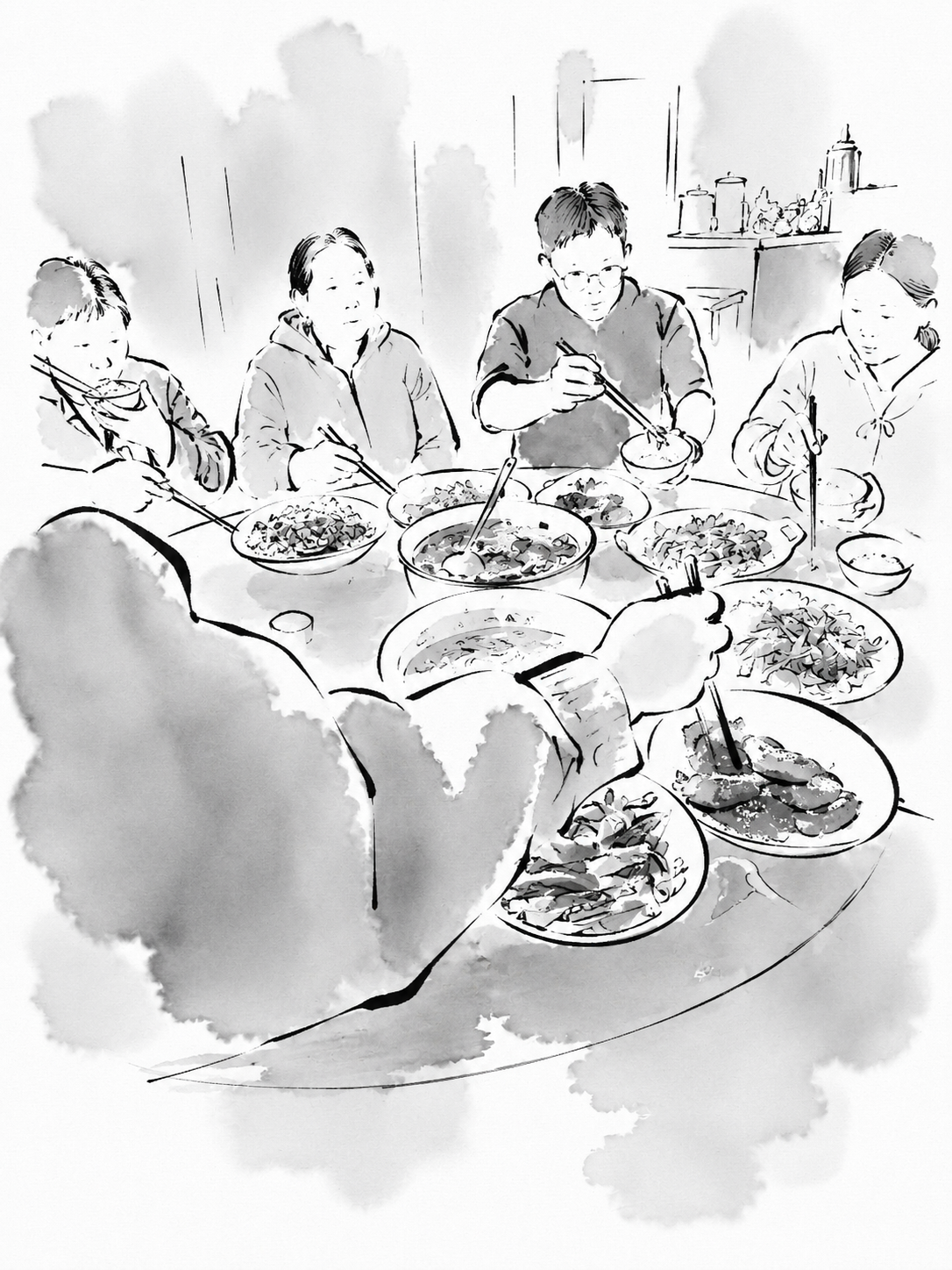
Images recreated from photographs from my recent fieldwork in Daozhu Village.